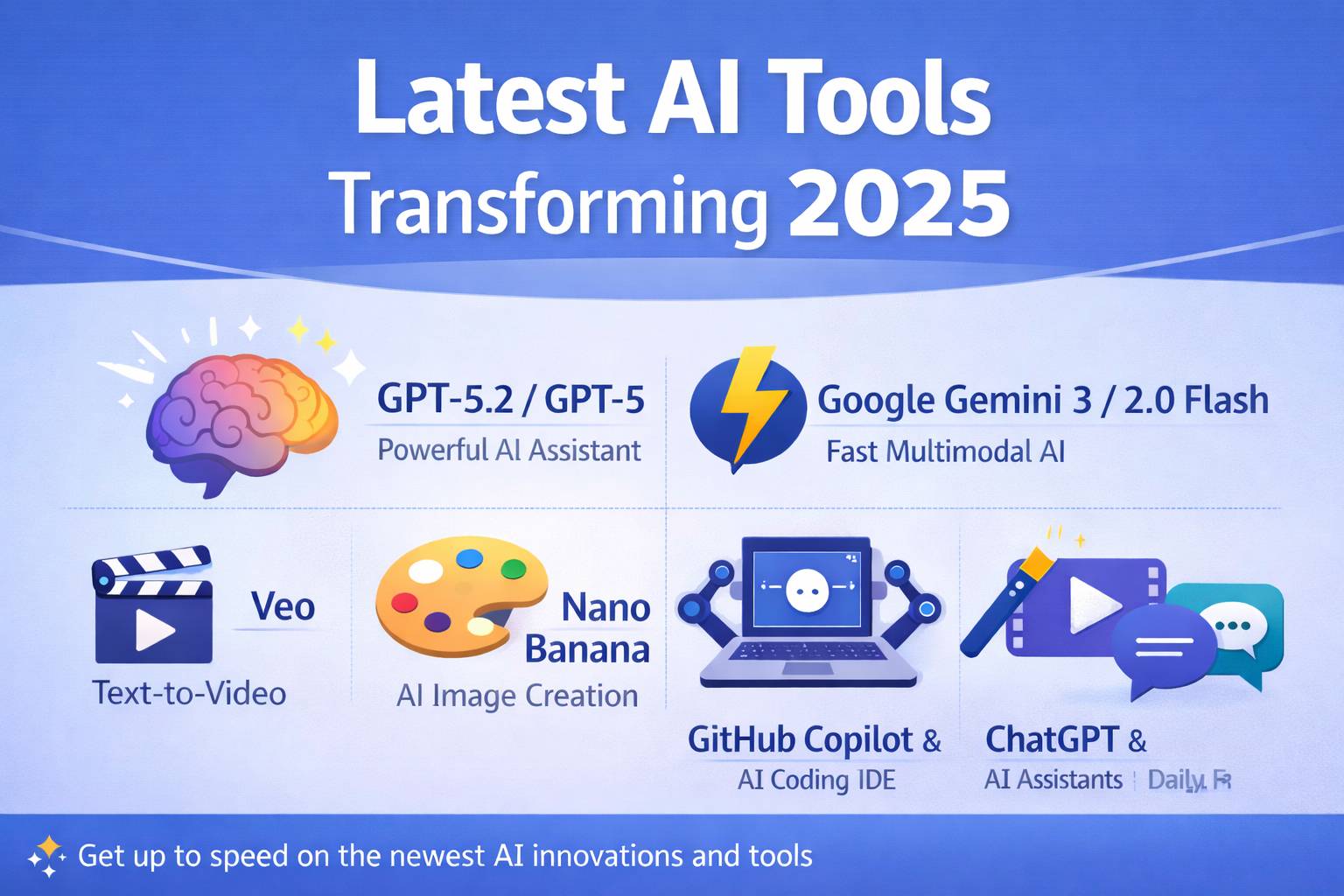
Artificial intelligence is no longer a sci fi promise. It is reshaping creative work, development, business processes, and the very way we interact with devices. What used to require months of production and a team can now be prototyped in minutes. At the same time new protocols and legal questions are emerging that every creator, developer, and business leader should understand.
Why the AI shift matters right now
Generative models are moving from clever demos to practical systems that touch daily workflows. You can generate realistic video, iterate on design concepts, spin up code, analyze contracts, and automate repetitive tasks without hiring an army. That kind of compression in time and cost changes incentives across industries.
Whatever is in your imagination you can now ask the model to create.
That statement captures the core opportunity and the core tension. Tools put creative power within reach, but they also demand a new set of skills: prompt craft, curation, editing, and ethical judgment.
Practical creative workflows that actually save time
Here are real use cases that move beyond hype and into production value.
- Video from images and scripts – Modern video generators can animate static artwork or synthesize scenes from a script. Use them to create proof of concept shots or social shorts quickly.
- Auto blog from recordings – Upload a long form recording and generate a formatted blog post complete with screenshots and timestamps. This turns recorded content into searchable text and SEO assets in minutes.
- Image cleanup and augmentation – When a costly photoshoot misses the mark, AI image tools can rescue and extend imagery so the final product matches the site design.
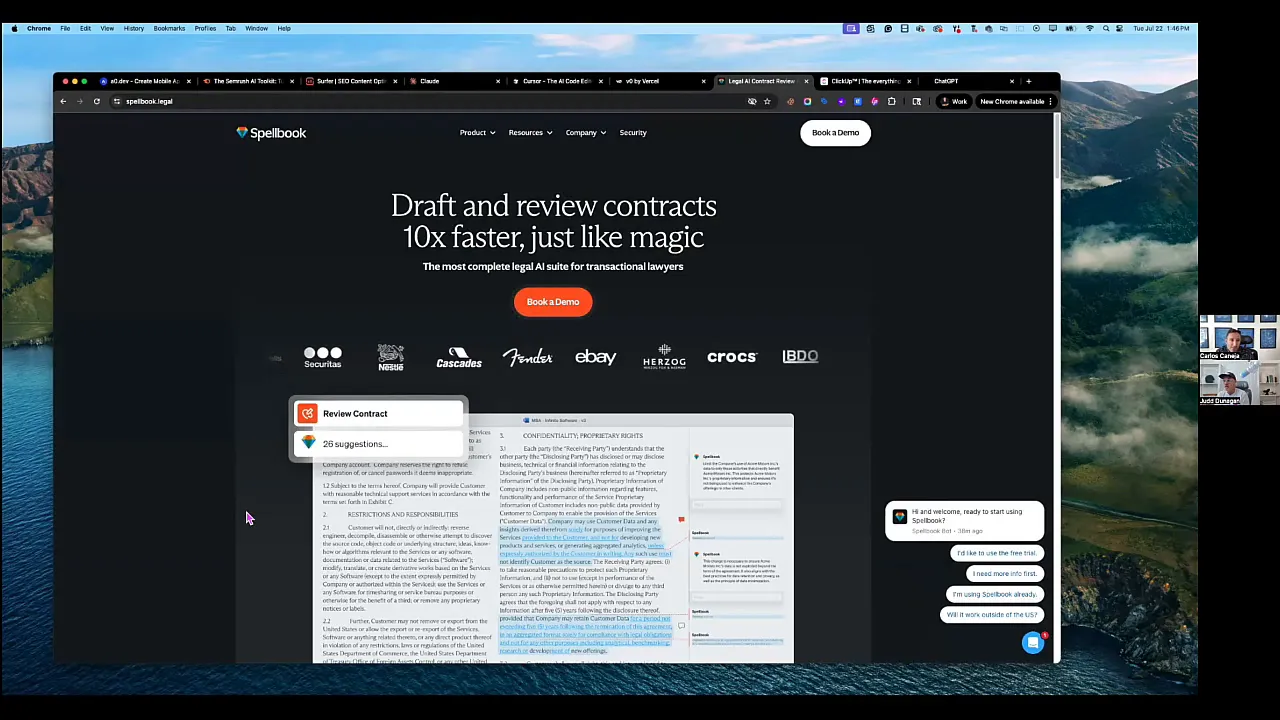
- Legal and contract triage – Large language models can review contracts, flag risky clauses, and prepare questions for a lawyer. That helps prioritize legal spend and accelerates audits.
Top creative and design models worth testing
These are the families to know for imagery, video, and creative compositing.
- Midjourney V7 – Strong for stylized imagery and concept art.
- DALL-E 3 evolution – Great for illustrative assets and iteration.
- RunwayML Gen 3 – Powerful for image to video and temporal effects.
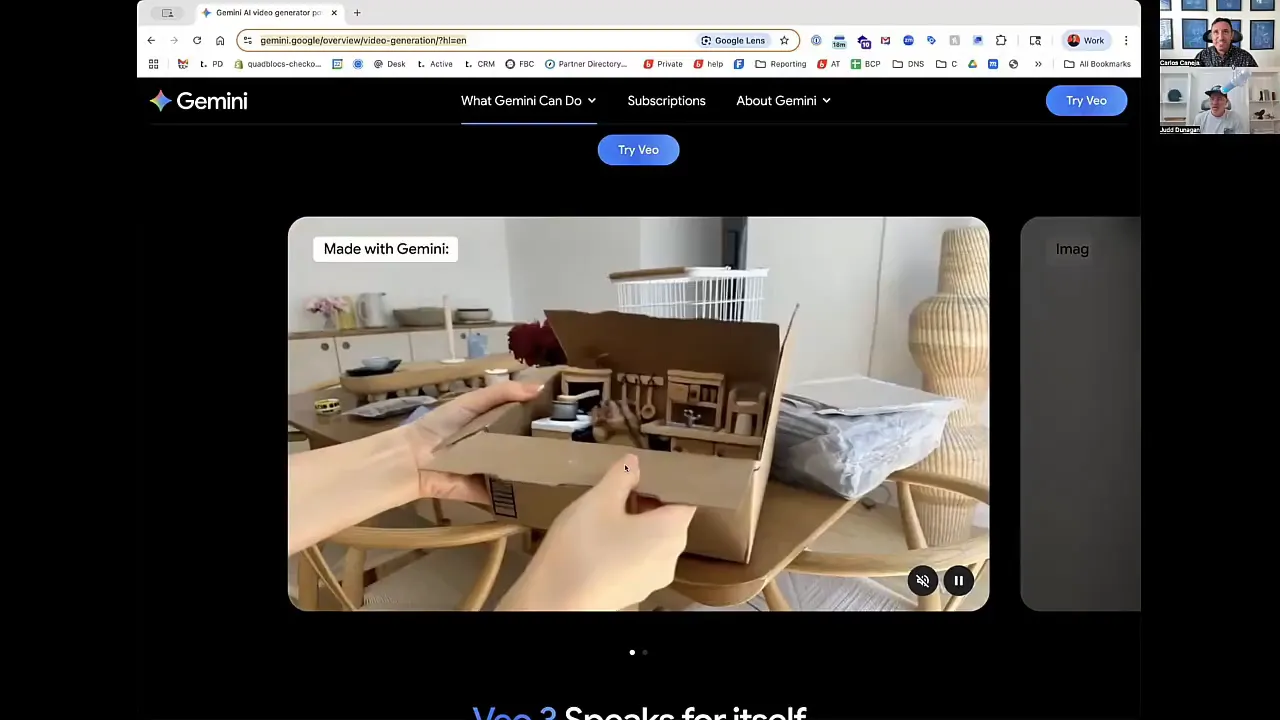
- Google VO3 – Emerging for realistic video generation and photoreal montage.
Developer and productivity tools that actually speed engineering
AI is not only for creatives. It is changing how developers write and debug code, as well as how teams manage product work.
- Cursor AI and GitHub Copilot – Assist with code completion, snippets, and boilerplate. Copilot is already generating a notable portion of new code in some organizations.
- V0 by Vercel – Tools for front end dev that integrate AI into the build and prototyping loop.
- AI in browser dev tools – Inspect tools with built in explanations let you highlight a snippet and ask what it does. That makes debugging and learning far faster.
Devices and agents: where AI becomes part of the product
Expect LLMs to replace traditional voice assistants and appear inside cars, phones, and home devices. When baked into the operating system, assistants become contextual copilots that understand your apps, calendar, and workflows.
- In-car conversational agents – Onboard models provide quick answers and contextual controls for navigation, media, and vehicle features.
- Home assistants – Greater conversational ability means assistants can manage tasks more naturally, but privacy and training of feeds remain key concerns.

Search, indexing, and the new monetization battleground
Search is changing. Major platforms are wrestling with how to handle massive amounts of generated content. Two important consequences to plan for:
- Quality controls from search engines – Sites that are mostly auto generated risk lower indexing and ranking. Models can help draft content, but human editing and brand voice are required for SEO performance.
- Pay per crawl concept – A movement toward paid access for models to consume publisher data is gaining traction. Protocols that enforce payment on crawl could create new revenue streams for large publishers and new costs for LLM providers.
Ethics and legal risk you cannot ignore
Generative AI opens complex questions that affect trust, safety, and liability.
- Deepfakes and voice cloning – Synthesizing faces or voices without consent is already causing harm. Use consented assets and watermark where appropriate.
- Copyright and training data – Lawsuits are likely to increase as models use copyrighted material in training or generation. Publishers and rights holders are exploring both legal and technical countermeasures.
- Brand voice and authenticity – Automated copy that lacks a distinct voice will underperform. Always edit AI output to reflect persona and standards.
How to use AI smartly in your workflow
AI is a tool. The teams that win will be those that combine human judgment with model speed. Here are practical rules to follow.
- Start with a reference set – Tell the model which articles, designs, or examples you want it to emulate. This focuses output and reduces generic results.
- Edit for voice and facts – Never publish AI output without human review. Fact check numbers, harmonize tone, and remove generic artifacts.
- Use AI for ideation not full replacement – Let AI suggest headlines, draft outlines, and propose experiments. Final composition should be refined by a human.
- Automate repetitive checks – Use models to triage contracts, scan logs, or find problematic code, then escalate high risk items to experts.
- Protect privacy and consent – Apply appropriate policies before feeding customer data into external models.
Emerging protocols to watch
Two technical developments could reshape the business model of content and apps.
- Model Context Protocol MCP – A way to bind application context to an LLM so the model can act within your systems, create tasks, or make updates across services. Think of it as a contextual bridge between your apps and the LLM.
- Pay per crawl – A protocol that enforces payment for models to access certain content resources. This could alter the data economics for publishers and LLM vendors.
Quick toolset for 2025 readiness
- Content and creative – Midjourney V7, DALL-E 3 family, RunwayML Gen 3, Google VO3
- Development – Cursor AI, GitHub Copilot, V0 by Vercel
- Productivity – Chrome DevTools AI assistant, automated blog from video pipelines, legal review agents
- Platform integration – MCP enabled integrations and platform connectors for CRM and task automation
Final takeaways
AI is shifting from novelty to infrastructure. Use it to accelerate ideation, rescue production, and automate routine audits. Protect your brand by editing output and maintaining a distinct human voice. Anticipate legal and monetization shifts and experiment with new protocols that could change who gets paid for data and content.
Stay pragmatic. Treat AI as a force multiplier, not a shortcut to skip the hard work of defining audience, product, and quality. When models are paired with craft and domain expertise they unlock remarkable gains. When they are used blindly they erode trust and performance.
Get hands on with a few tools, define rules for quality, and keep a human in the loop.